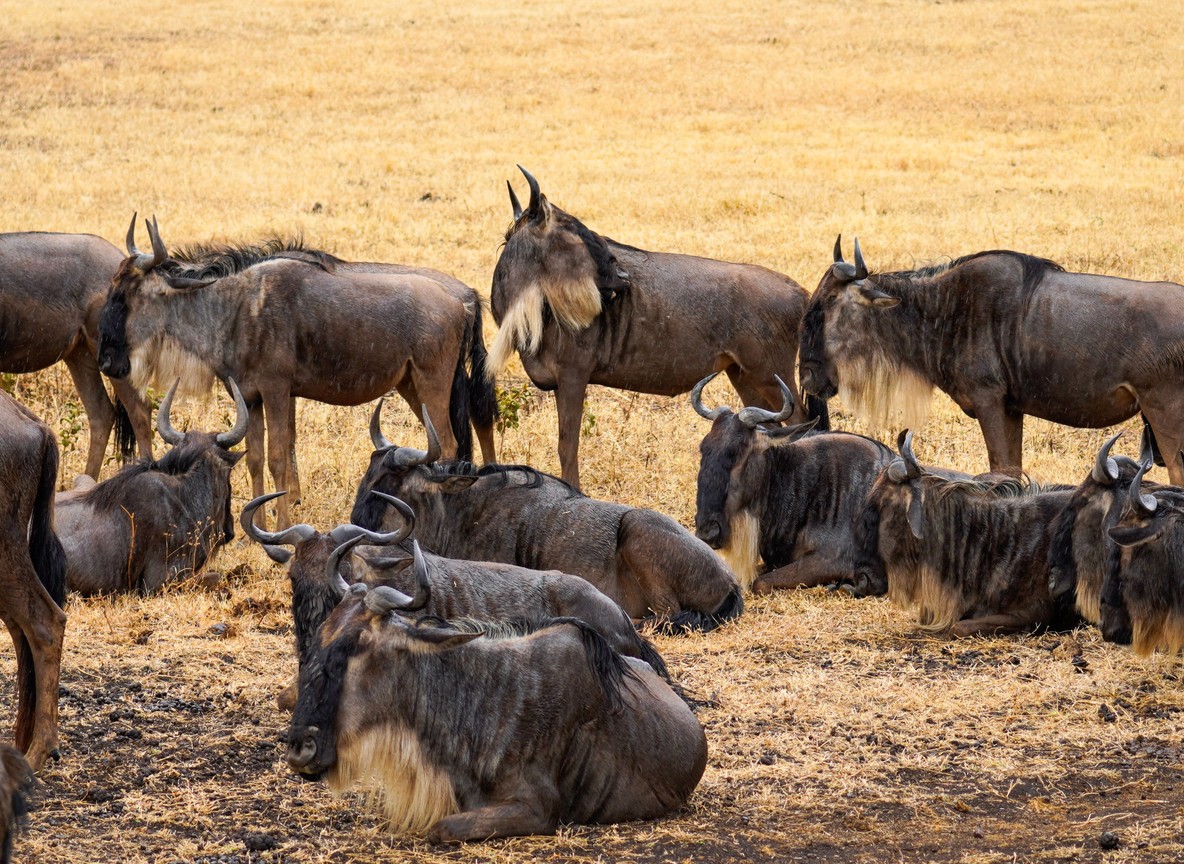
Wildebeest do not read calendars. They move on rainfall, grass, and river levels, which is exactly why a single “best week” is a guess dressed up as a fact. Still, forecasters who track herd position, rainfall data, and past-decade patterns have narrowed 2026 down to a specific window worth planning around.
Touring Insights lays out that forecast, where it comes from, and how to build a trip around it without overpaying for a date that might slip.
The 2026 Forecast: Aug 22-Sep 7 Is the Highest-Probability Window
Migration analysts tracking the 2026 herd position currently rate 22 August to 7 September as the highest-probability stretch for major Mara River crossings. That sits inside a wider peak-crossing range of 10 August to 20 September, when at least some crossing activity is likely on most days.
This forecast draws on three inputs. Satellite rainfall data covers the Serengeti-Mara ecosystem. Ranger and guide sightings track herd position in the Loita Plains and southern Mara Triangle. A ten-year pattern shows when the bulk of the herd has historically reached the river. None of those inputs guarantee a date. They shift the odds.
| Forecast Window | Probability Level | What It Means for Booking |
|---|---|---|
| 10-21 Aug 2026 | Moderate | Early arrivals possible; herd still consolidating south of the river |
| 22 Aug-7 Sep 2026 | Highest | Peak crossing frequency expected; book camps on the river first |
| 8-20 Sep 2026 | Moderate-High | Crossings continue but herd may have split north/south |
| After 20 Sep 2026 | Low-Moderate | Late stragglers only; most of the herd has usually crossed by now |
Why Forecasts Shift: Rainfall, Not Guesswork
Wildebeest cross the Mara River chasing fresh grass, not a schedule. Heavier long rains in the southern Serengeti push the main herd north later. A dry June and July, by contrast, can pull them toward the river earlier than the ten-year average.
In 2026, above-average rainfall was recorded across the northern Serengeti through June, which is one reason forecasters shifted the highest-probability window slightly later than the historical late-July norm. Guides on the ground in the Mara Triangle and around the Sand River confirm the herd was still south of the river in mid-July, consistent with the forecast.
This is also why no operator can promise a crossing on a specific date. What a good forecast gives you is a shorter, higher-odds window instead of a three-month guess.
Where Crossings Actually Happen: The Named Points to Watch
Not every stretch of the Mara River sees crossings. The herd funnels through a handful of points where the banks are low enough and the approach is wide enough for thousands of animals to move at once.
| Crossing Point | Location | Notes |
|---|---|---|
| Lookout Hill | Mara Triangle (west bank) | Elevated viewing, popular with Mara Serena and Mara Explorer guests |
| Paradise Plain | Central Mara Triangle | Wide approach, frequent crossings in peak window |
| Cul-de-sac | Near Musiara Marsh | Classic National Geographic filming location |
| Kaburu Crossing | East bank, near Talek | Good access from Talek Gate camps |
| Serena Crossing (Purungat area) | South-central Triangle | Deep water, dramatic crocodile activity |
The Mara Triangle, the roughly 510 km2 section of the Maasai Mara National Reserve managed by the Mara Conservancy, hosts the majority of filmed crossings. It sits west of the Mara River, bordered by the Oloololo Escarpment, and is reached via Oloololo Gate or by light aircraft into Mara Serena Airstrip.
Getting There: Distances, Flights, and Fees
Whichever window you target, logistics do not change much year to year. Here is what actually moves and costs money.
| Detail | Figure |
|---|---|
| Maasai Mara National Reserve size | approx. 1,510 km2 |
| Mara Triangle (Mara Conservancy) size | approx. 510 km2 |
| Nairobi (Wilson Airport) to Mara Serena Airstrip | approx. 45-min scheduled flight |
| Nairobi to Mara by road (via Narok) | approx. 270 km, 5-6 hrs drive |
| Non-resident adult reserve entry fee | approx. USD 100 / 24 hrs (2026 gazetted rate, indicative) |
| Mara Triangle entry fee (separate gate) | approx. USD 80-100 / 24 hrs (Mara Conservancy rate, indicative) |
| Main gates | Oloololo, Talek, Sekenani, Sand River |
| Key airstrips | Mara Serena, Keekorok, Ol Kiombo, Musiara |
Camps positioned inside or near the Mara Triangle, close to Lookout Hill and Paradise Plain, put you at a real logistical advantage during the highest-probability window. Properties on the eastern side near Talek or Sekenani still see crossings, but often with a longer drive to reach the action.
Road transfers from Nairobi work for budget-conscious travelers. But the 5-6 hour drive on the Narok route eats into a day better spent at the river. Most operators recommend flying in via Wilson Airport for stays under five nights. Save the road route for trips of a week or more.
How 2026 Compares to a Typical Migration Year
The Great Migration follows a broad, repeating pattern, even when exact dates shift. Understanding that pattern helps explain why forecasters settled on late August as the highest-probability point for 2026 rather than earlier or later.
| Migration Stage | Typical Timing | 2026 Status (as of mid-July) |
|---|---|---|
| Herd gathers in southern Serengeti and Loita Plains | May-June | Completed on schedule |
| First scouting movements toward the Mara River | Mid-late July | Herd confirmed south of river, slightly delayed by wet June |
| Main crossing activity begins | Late July-August | Forecast: starting within the 22 Aug window |
| Peak crossing frequency | August-September | Forecast: 22 Aug-7 Sep highest probability |
| Herd disperses north into Mara plains, some cross back south | September-October | Not yet assessable |
| Return migration begins toward Serengeti | October-November | Not yet assessable |
Wetter conditions through June 2026 delayed the herd’s approach to the river by roughly one to two weeks against the ten-year average. That delay is the main driver behind this year’s window landing later than the historical late-July starting point. It is a shift, not an anomaly. Migration timing has varied by three to four weeks in either direction over the past decade. That is exactly why a probability window beats a fixed date.
How Far in Advance Should You Book for This Window
Camps along the Mara River, particularly small tented properties with a dozen or fewer rooms, sell out for late August and early September well ahead of the season. If the 22 August-7 September window is your target, aim to lock accommodation 6-9 months out. Waiting until June or July of the travel year usually means settling for camps set back from the river, with longer drives to reach a crossing when one starts.
Flexibility helps more than precision here. A 5-6 night stay that spans both edges of the highest-probability window gives you more chances to catch a crossing than a tightly booked 2-night dash centered on a single date.
Explorer Notes
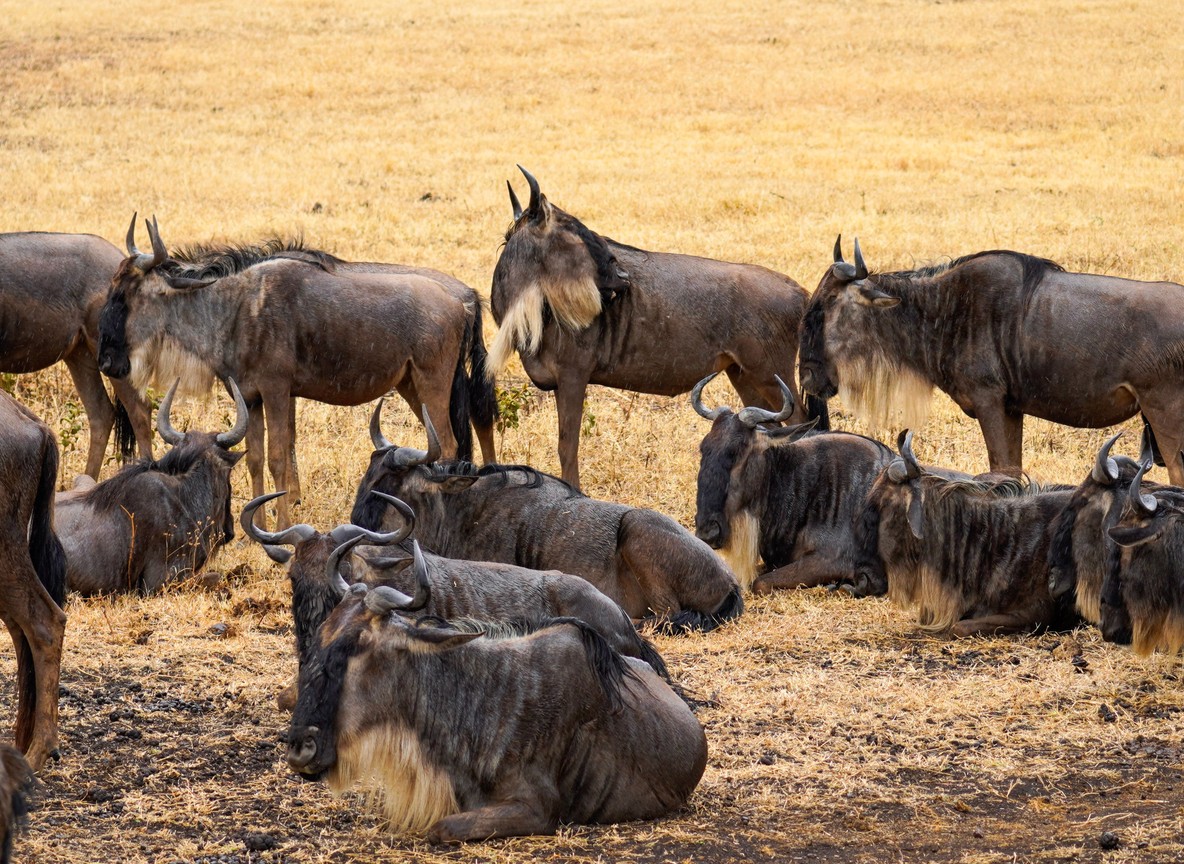
Guides who work the Mara Triangle through August and September watch herd behavior more than the calendar. Wildebeest bunching along the western bank in growing numbers, with increased grunting and pacing, is the tell that a crossing may be imminent within hours rather than days. Ask your guide each morning where the herd gathered the evening before; that single question does more for your odds than any published date range.
Mornings between 7:30 and 10:00 tend to produce more crossings than midday, when the herd often rests. Bring a long lens if you can, since the best crossing shots happen from the opposite bank, further than they look through the naked eye. Pack a dust-proof cover for camera gear too. The bank areas kick up heavily during a crossing, and equipment left uncovered in a vehicle picks up fine red dust fast.
Frequently Asked Questions
What is the highest-probability Mara River crossing window for 2026? Forecasters currently point to 22 August-7 September 2026 as the highest-probability stretch, inside a wider peak range of 10 August to 20 September.
Can anyone guarantee a crossing on a specific date? No. Wildebeest respond to rainfall and grass conditions, not a calendar. A forecast narrows the odds; it cannot promise a sighting on any single day.
Which crossing point has the best chance of a sighting? Lookout Hill and Paradise Plain in the Mara Triangle see the most frequent crossings historically, largely because of the wide, low-bank approach on that side of the river.
How long should I stay to maximize my chances? 5-6 nights spanning the highest-probability window gives meaningfully better odds than a 2-night visit centered on one predicted date.
Do I need to book the Mara Triangle separately from the main reserve? Yes. The Mara Triangle is managed by the Mara Conservancy and has its own gate and entry fee, separate from the main Maasai Mara National Reserve administration.
If the 22 August-7 September window fits your travel plans, the next step is matching it to a camp positioned on the right side of the river. Visit our Tour Packages page or check availability with a partner operator directly, since river-facing camps in this window book out early.
What to Read Next
- Weighing where to watch from? Read our Mara River crossing boat vs vehicle position guide.
- Need the fuller migration picture first? See our wildebeest migration route and Mara River guide.
- New to the crossings entirely? Start with our Mara River wildebeest crossing guide.